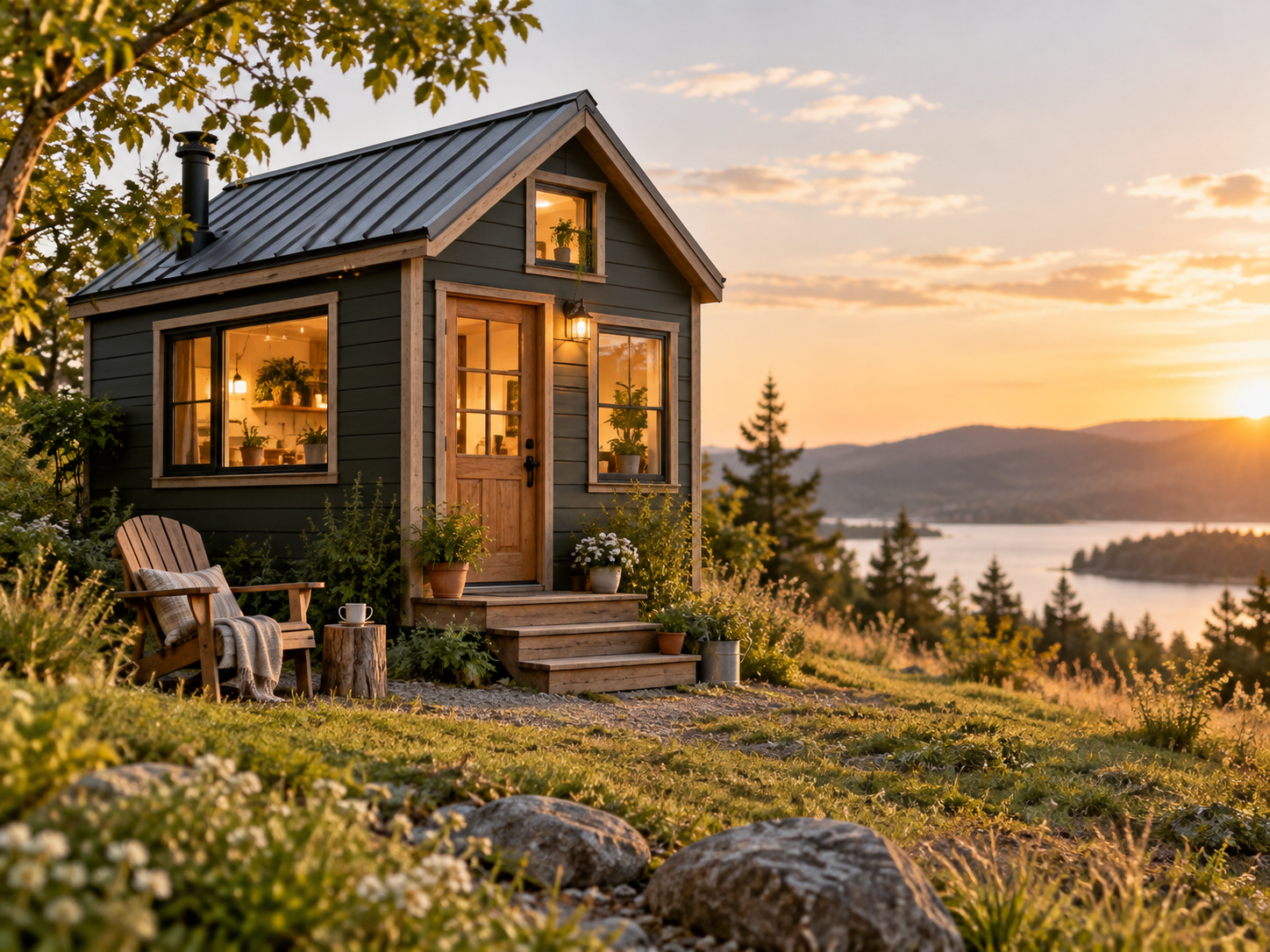
Could Tiny House Living Be Right for You?
Tiny homes can offer lower expenses and a simpler lifestyle, but the reality is more complicated than the beautiful photos make it look.
Tiny houses have an undeniable appeal. They promise lower costs, less clutter, fewer chores, and the possibility of owning a home without committing to a huge mortgage. For some people, that tradeoff is genuinely liberating.
But tiny-house living is not automatically inexpensive, easy, or legal everywhere. Before downsizing, it helps to look beyond the pretty interiors and ask whether the lifestyle actually fits the way you live.
What counts as a tiny house?
There is no single universal definition, but tiny homes are generally much smaller than conventional houses and are designed to use space efficiently. Some are built on permanent foundations. Others are built on trailers so they can be moved. That distinction can affect zoning, building codes, utilities, insurance, and financing.
Why people choose tiny living
The biggest attractions are usually financial freedom and simplicity. A smaller home can mean less space to heat and cool, fewer furnishings, fewer repairs, and less time spent cleaning. Some people also enjoy the intentionality that comes with owning fewer possessions.
Potential advantages
- Lower utility usage
- Less space to maintain
- Potentially lower construction or purchase costs
- Less clutter
- More room in the budget for savings, travel, or investing
Where the savings can disappear
Custom construction, specialized appliances, land, utility hookups, permits, septic systems, delivery, foundations, and storage can add significantly to the final price. A professionally built tiny home can cost far more per square foot than a modest conventional house.
How to Build Your Own Tiny House by Roger Marshall
If you are seriously considering tiny-house living, a practical guide can help you think through construction, layout, space use, and the realities of creating a much smaller home before you make a major financial commitment.
Paid link
Where will you put it?
This is one of the most important questions. A design can be perfect and still be unusable if local rules do not permit full-time occupancy. Check zoning, minimum dwelling sizes, accessory dwelling unit rules, RV restrictions, water and sewer requirements, and foundation requirements before you buy.
Be realistic about storage
Tiny living works best when you are comfortable owning fewer things. If you need a permanent storage unit for seasonal clothing, tools, hobbies, office equipment, and household supplies, part of the financial advantage disappears.
Lifewit Over-the-Door Hanging Organizer
In a small home, vertical storage can be just as important as floor space. An over-the-door organizer can turn otherwise unused space into storage for bathroom supplies, pantry items, accessories, baby supplies, or other small household essentials.
Paid link
What about couples and families?
Privacy becomes more important in small spaces. One person taking a call, working remotely, watching television, or waking early can affect everyone. Families should also think about how the home will work as children grow.
Would you actually enjoy the layout?
Loft bedrooms look charming, but a ladder may become annoying. A convertible table can be clever, but not if you resent rebuilding the room several times a day. The best tiny-home design is not always the smallest—it is the one that supports your daily routine.
Test the idea first
Try living with less before buying anything. Close off part of your current home, reduce what you use, and notice what feels freeing versus frustrating. If possible, rent a tiny house for a weekend or longer.
Tiny living can be wonderful when it matches your priorities
For the right person, a tiny home can mean lower overhead, less clutter, and greater freedom. For someone who values space, privacy, storage, entertaining, or room to grow, a small conventional home may be a better compromise.
Frequently Asked Questions
Are tiny houses always cheaper?
No. Land, permits, utilities, and custom construction can make the total cost much higher than expected.
Can you finance a tiny house?
Sometimes, but financing varies considerably depending on whether the home is on a foundation, on wheels, or sold with land.
Are tiny houses practical for retirement?
They can be, but accessibility matters. Loft beds, narrow paths, and small bathrooms deserve careful long-term consideration.
Thinking smaller and simpler?
Next, read Build a Budget That Actually Works for Your Real Life and What to Grow When You Want to Save Money on Food.
Affiliate disclosure: This post may contain affiliate links. As an Amazon Associate I earn from qualifying purchases.