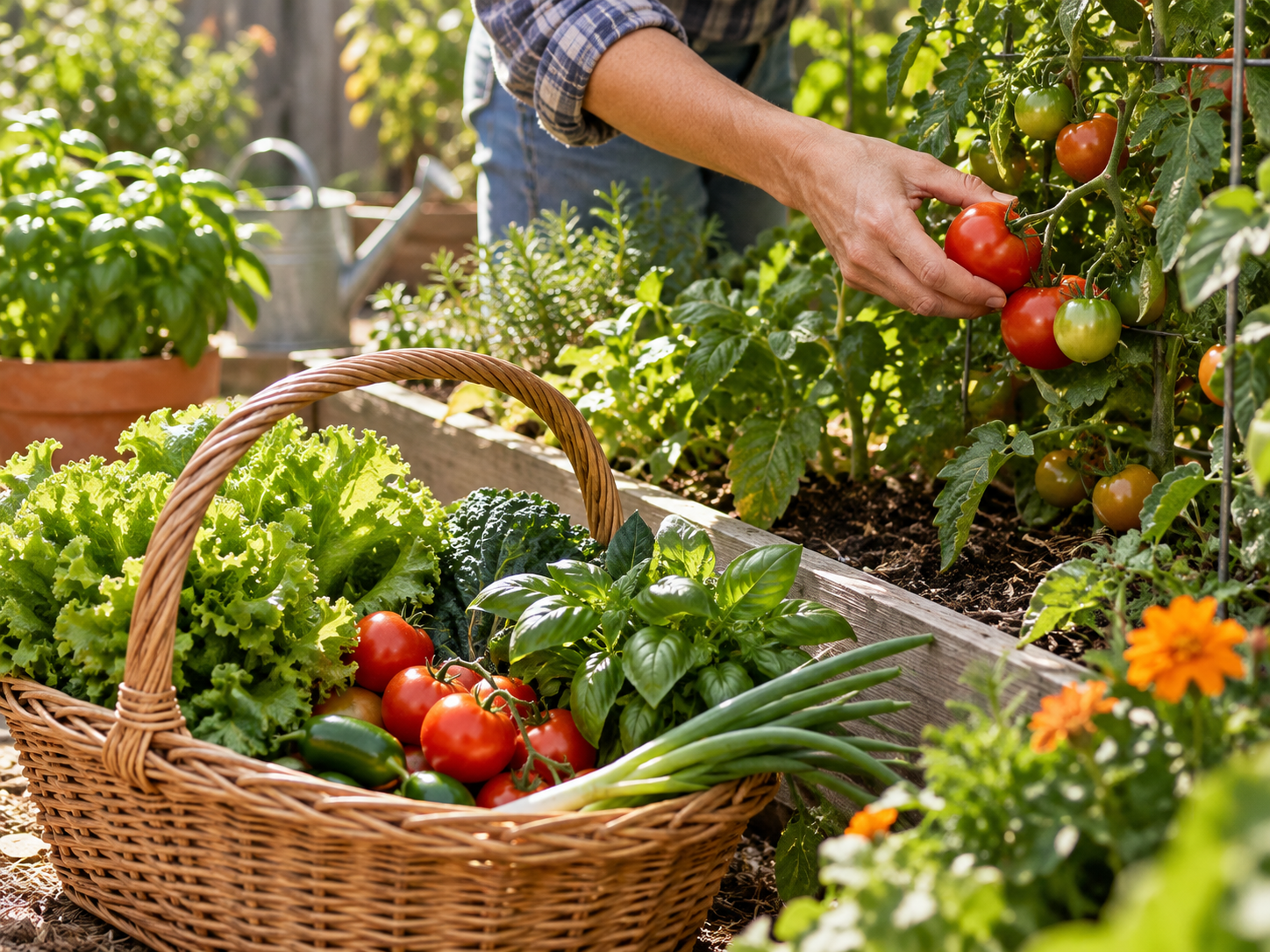
What to Grow When You Want to Save Money on Food
Growing your own food can save money—but only if you grow the things you actually eat and choose crops that give you a worthwhile return.
A vegetable garden can lower your grocery bill, but it is surprisingly easy to spend more on gardening than you save. Fancy planters, expensive soil, tools, fertilizer, and plants add up quickly.
If saving money is the goal, focus on crops that are expensive at the store, produce for a long time, grow quickly, or can be harvested repeatedly.
Start with what your household already buys
The most productive vegetable is not useful if nobody in your house eats it. Look at your grocery receipts and identify produce you buy again and again. Those are usually the best candidates for a money-saving garden.
Zunatu Galvanized Raised Garden Beds
Once you know what you want to grow, a raised bed can make it easier to organize vegetables, improve soil quality, and create a defined growing area without digging a traditional in-ground garden. This style is especially useful when you want a larger planting area for tomatoes, peppers, greens, beans, or other productive crops.
Paid link
1. Fresh herbs
Basil, parsley, cilantro, chives, mint, oregano, thyme, and rosemary can be surprisingly expensive in small grocery-store packages. Many grow well in containers and can be harvested repeatedly.
2. Leaf lettuce and salad greens
Loose-leaf lettuce grows quickly and can often be harvested by removing outer leaves while the center continues to grow. It is excellent for containers and succession planting.
3. Tomatoes
Tomatoes can be very productive in the right conditions, especially cherry varieties. They are particularly worthwhile if you frequently buy fresh tomatoes or specialty types.
4. Green onions
Green onions require little space and work well in pots, window boxes, and raised beds. They are useful for households that regularly add them to eggs, tacos, soups, salads, and stir-fries.
5. Peppers
Sweet and hot peppers can produce over a long season. Specialty peppers are often relatively expensive in stores, which can make them a good value at home.
6. Cucumbers
A healthy cucumber plant can produce heavily, and growing vertically makes it possible to fit cucumbers into surprisingly small spaces.
7. Zucchini and summer squash
These plants can be extremely productive. They are best for households that genuinely enjoy eating, freezing, baking with, or sharing the harvest.
8. Kale and cut-and-come-again greens
Kale can be harvested over an extended period by removing mature outer leaves, and it tolerates cool weather better than many warm-season vegetables.
9. Beans
Green beans can be productive, and pole beans make efficient use of vertical space. Dried beans are possible too, although they generally require more garden space for the amount of food harvested.
10. Strawberries
If your family buys berries often, strawberries can be worthwhile. Established plants can produce for multiple seasons depending on climate and variety.
Patigrow 120-Cell Seed Starter Kit
Once you have picked your crops, starting them from seed can reduce the cost of buying transplants every season. A covered seed-starting tray can help organize seedlings and provide a protected setup for getting vegetables and herbs started indoors before transplanting them outside.
Paid link
What may not save much money
Some crops are inexpensive at the store and require a lot of space. Potatoes, onions, carrots, cabbage, and corn can still be enjoyable to grow, but they may not provide the highest financial return in a small garden.
Do not forget preservation
A garden saves the most money when the harvest gets eaten. Freeze herbs, tomatoes, peppers, berries, and chopped vegetables, or learn basic drying and preservation methods.
You do not need a large yard
Herbs, lettuce, green onions, peppers, compact tomatoes, strawberries, and some cucumbers can all be grown in containers with adequate light. The smartest food garden is designed around your household—not someone else’s idea of what a garden should be.
Back to the Roots Fabric Raised Garden Bed
If you garden on a patio, balcony, porch, or other small area, a fabric raised bed can provide growing space without a permanent structure. It can work well for herbs, greens, peppers, compact tomatoes, and other crops that do well in containers.
Paid link
Frequently Asked Questions
What saves the most money to grow?
Herbs, salad greens, tomatoes, peppers, and other repeat-harvest crops often provide strong value.
Is growing from seed cheaper?
Usually, yes, although transplants can be worthwhile for beginners or short growing seasons.
Can container gardening save money?
Yes, particularly when you reuse containers and choose productive crops.
Keep building a lower-cost lifestyle
Next, read 10 Easy Ways to Cut Your Grocery Bill Without Feeling Deprived and Could Tiny House Living Be Right for You?
Affiliate disclosure: This post may contain affiliate links. As an Amazon Associate I earn from qualifying purchases.