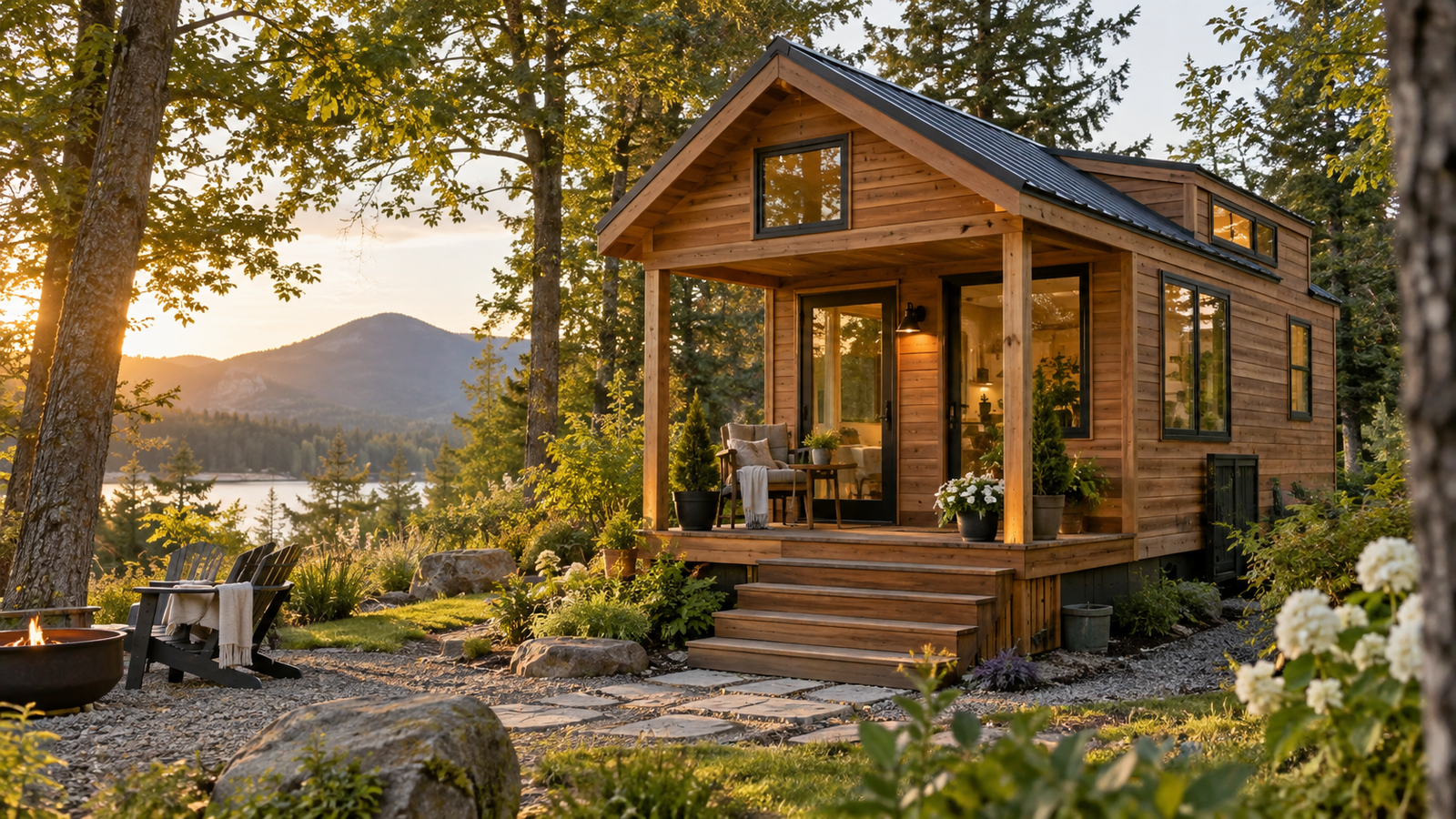
How to Downsize Without Feeling Like You Lost Everything
Downsizing should create breathing room—not make your home feel stripped of everything that makes it yours.
The hardest part of downsizing is rarely deciding whether you need six spatulas. It is deciding what to do with the things connected to memories, identity, hobbies, family, and the life you built.
Start with the future, not the stuff
Think about why you want less. Maybe you want lower housing costs, fewer chores, easier cleaning, more travel, or less financial pressure.
Knowing what you are moving toward makes it easier to decide what no longer fits.
Do not start with sentimental items
Begin with duplicate kitchen tools, expired products, worn clothing, unused electronics, broken items, and things you forgot you owned.
Keep what supports your actual life
Minimalism is not a contest to own the fewest objects. Keep the things you use, enjoy, and genuinely value.
Give favorites priority
Instead of asking whether you can technically live without something, ask whether it deserves space in your next home.
Reduce duplicates gradually
You may not need five sets of sheets, twelve coffee mugs, or several nearly identical jackets. Keep your favorites first.
ZOBER Under-Bed Storage Bags
Once you have reduced duplicates, under-bed storage can help you make better use of space for things you genuinely want to keep, such as seasonal clothing, extra bedding, or occasional-use items.
Paid link
Take pictures of sentimental items
Sometimes the memory matters more than the object itself. A photograph can preserve the story without requiring permanent storage.
Give meaningful items to people you love
Passing something along to a child, relative, or friend may feel better than donating it anonymously.
Do not downsize faster than you can emotionally process
You are allowed to take your time. Rushed decisions often create regret.
Think about the cost of keeping things
Possessions require space. Space costs money through larger homes, storage units, shelving, furniture, and maintenance.
Your home should still feel like you
Keep art, books, photographs, collections, comfortable furniture, and personal items that make the space feel warm and familiar.
Once you know what is staying, organizing those items clearly can make a smaller home feel calmer and easier to maintain.
Nelko P21 Bluetooth Label Maker
A compact label maker can help organize storage bins, seasonal items, paperwork, pantry supplies, and other belongings after you have finished decluttering, so the things you keep are easier to find and use.
Paid link
Frequently Asked Questions
How do I start downsizing?
Start with easy categories such as trash, duplicates, expired items, and things you no longer use.
What should I do with sentimental items?
Keep the most meaningful pieces, photograph others, or pass them along to people who will appreciate them.
Do I have to become a minimalist?
No. Downsizing simply means reducing what no longer supports the life you want.
Where downsizing can lead
Once you have decided what to keep, Could Tiny House Living Be Right for You? and What Does Tiny House Living Really Cost? can help you decide whether a smaller home is the right next step.